
Mobility is one of the essential pillars of liberty that allows one to maneuver through social and economic aspects of society in our day-to-day lives. This is a normal daily routine for able-bodied people. Yet for many persons living with disability, it is a daily inconvenience, a barrier that stands between them and their potential, for it is said disability is not inability.
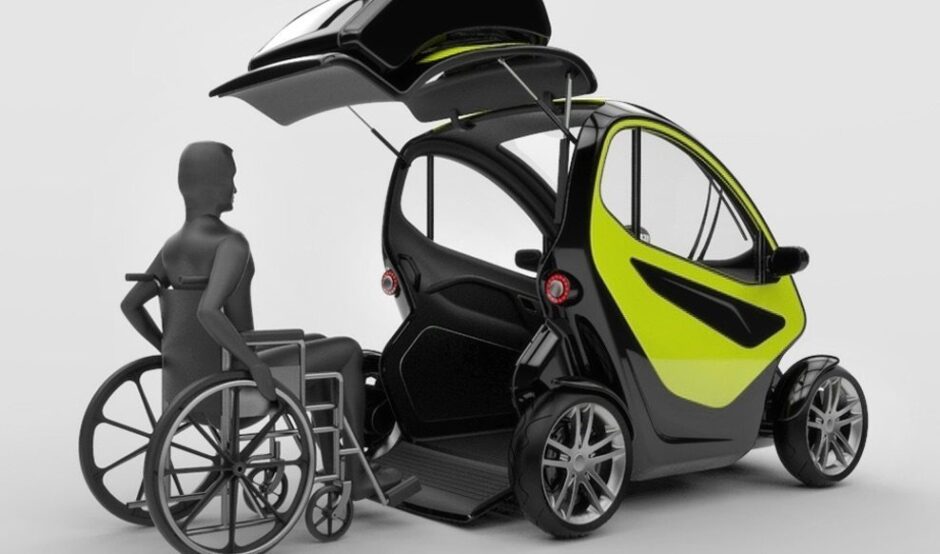
Topcar Kenya is here to explain in detail a step-by-step guide on how to import vehicles for persons living with disabilities, so that everyone can enjoy an affordable and dignified way of transportation.
The 5th schedule Part A item 8 of the East African Community Customs Management Act (EAC CMA) and the first schedule Part 1, section A item 39 of the VAT Act of 2013 outline the legal framework under which persons living with disabilities are exempted from paying taxes when importing cars.
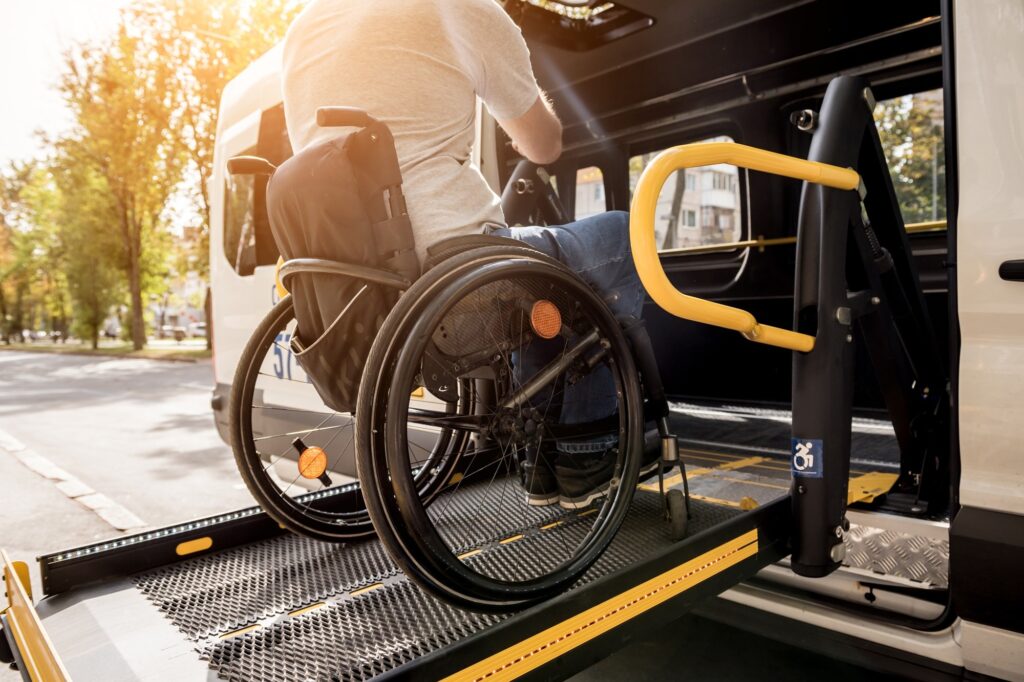
PROCEDURE OF IMPORTING A VEHICLE AS A PLWD
Sourcing and identifying a car
Find a suitable car that matches your preferences and desires. You can visit DEALER.CO.KE for a wider selection of different vehicles with various colors, mileages, and specifications.
- Required Documentation
After identifying your vehicle of choice, you are required to have the following documents;
- The applicant must be officially registered with the National Council for Persons with Disabilities (NCPWD) and possess a valid NCPWD member card.
- Provide a copy of your National ID
- Write an application letter addressed to the commissioner of Customs & Border Control requesting for an exemption.
- Present a certified medical report from a registered medical practitioner describing the nature of disability.
Attach a certified copy by a commissioner of oaths to your application
Present the original certificate during your physical interview
- A copy of the applicant’s driver’s license with the appropriate endorsement (Class H or F).
“If you cannot drive due to visual impairment, you are allowed to nominate a driver”.
- Get a recommendation letter from the National Council for Persons with Disabilities (NCPWD).
After the NCPWD recommendation, your application is forwarded to the Kenya Revenue Authority (KRA) via iTax.
- Proforma invoice or purchase invoice of the vehicle (we will provide)
- Bill of Lading for the vehicle (we provide this on shipment)
- Tax compliance certificate (include an income tax exemption certificate)
- Proof of payment (Bank statements)
Test Drive
Conduct a test drive in the presence of a customs officer at the point of entry (Mombasa port, JKIA, or Namanga border stop).
- Vehicle Registration and Delivery
- Processing of vehicle registration plates and NTSA logbook
- Delivery of your vehicle to your homestead or preferred pick-up point.
- Replacement Policy
You are allowed to replace the motor vehicle after four years. Disposal of the original imported vehicle must be proven in line with section 119 of the East African Community Customs Management Act, 2004.
WHY TOPCAR KENYA IS YOUR IDEAL PARTNER FOR PLWD IMPORTS
- We are experts in the complex legal & tax exemption process
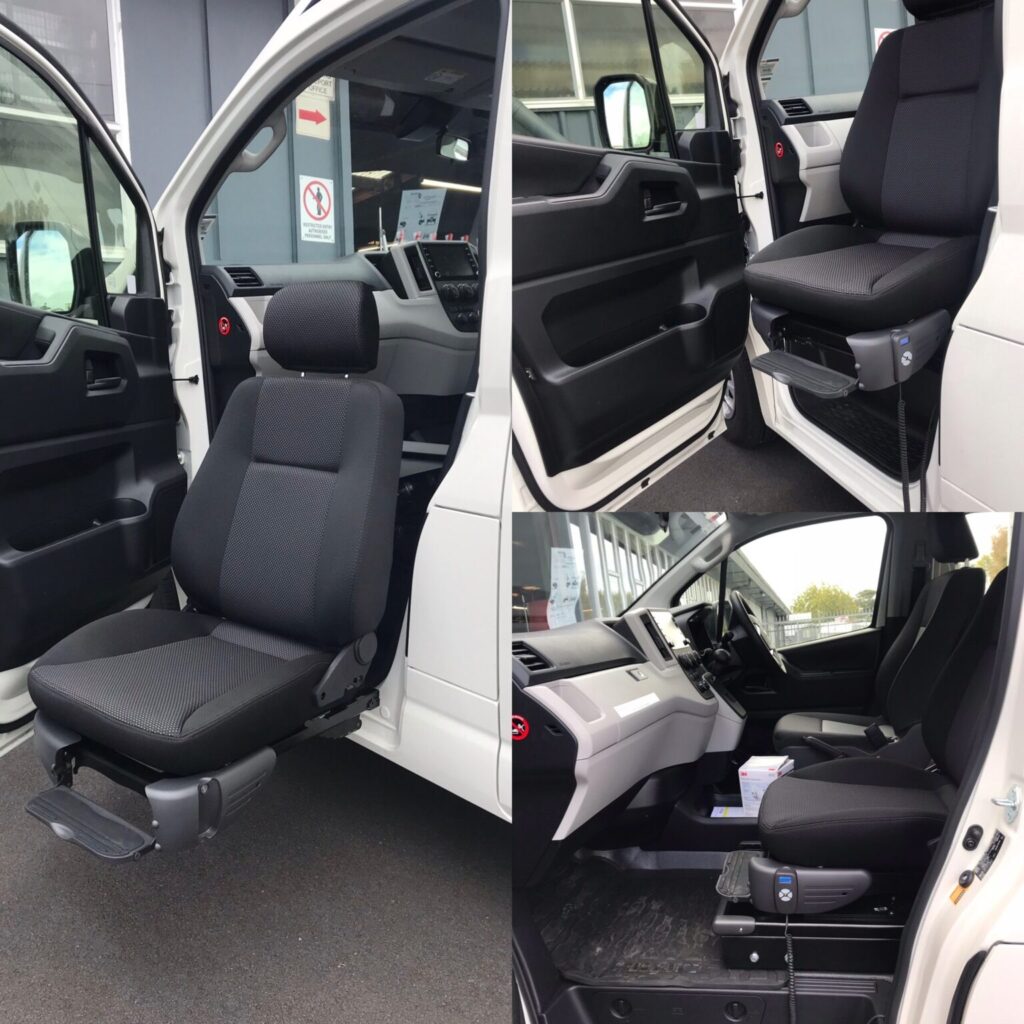
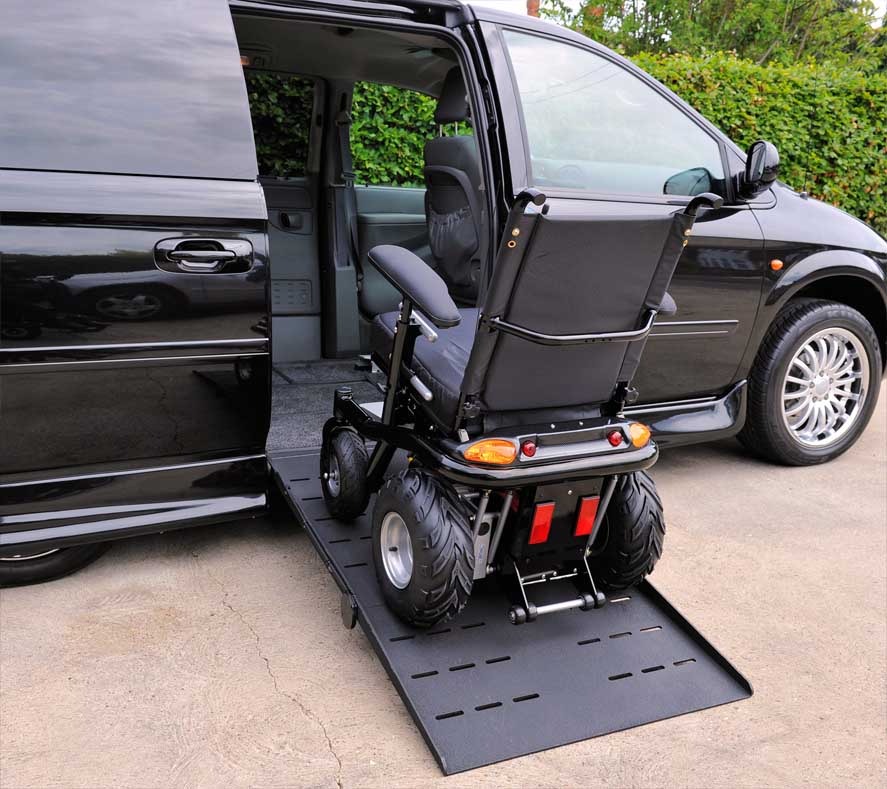
- Vehicle sourcing and suitability – We have a global network (Japan, UK, South Africa, Dubai, & Australia) to source for the best models for necessary adaptations (e.g vehicles for lifts/ramps or cars easily adaptable for hand controls)
- Customization consulting – We can advise on which modifications are best suited for the individual’s specific disability
- End-to-End Service & Reliability – We take the burden of complexity, compliance, and sourcing off the shoulders of people living with disability (PLWD)
If you are considering to import a vehicle that is duty-free, please get in touch with us via our email info@topcar.co.ke, or fill in your contact details in this form https://topcar.co.ke/import-your-car/ and we will reach out to you.
We have developed a network of trusted dealers in Japan, South Africa, the UK, Australia, and Dubai who supply us with exceptionally high-quality vehicles.
For service parts and body components, Visit: https://yokaspares.co.ke/